Tenant with a leak: who pays to find it, and who can agree to opening up
Normally the landlord, in both cases. The landlord is responsible for arranging and paying for the search and the repair, and only the landlord or their agent can agree to opening up.
If you are the tenant: who finds the leak and who pays
Report the leak to your landlord or agent immediately, allow access for their contractors, and leave payment and decisions to them.
Who reports, who agrees and who pays
Finding the leak
Reports the leak
Confirms the visit date
Books ADI
Reports the location
Paying for the search
Landlord pays ADI
Invoice and report
Submits both
Reimburses, if the policy allows
- Report the leak. Your landlord becomes responsible only once informed.
- If asked whether a floor or wall can be opened, refer the question to your landlord.
- One cost may fall to you: damage you cause to another tenant's flat.
Read the official wording
- Responsibility for the repair. GOV.UK:
Your landlord is always responsible for repairs to
a list that includesbasins, sinks, baths and other sanitary fittings including pipes and drains
. It adds:You cannot be forced to do repairs that are your landlord's responsibility.
- Why reporting matters. Citizens Advice, writing for England:
Your landlord only becomes responsible for repairing the damage when they know about it.
- In Scotland. Shelter Scotland says you must
give your landlord and workpeople access to your home so they can fix it
, and warns:If you do not report the problem, you could be responsible for paying for any further damage it causes.
- The cost a tenant may bear. GOV.UK:
If you damage another tenant's flat, for example if water leaks into another flat from an overflowing bath, you're responsible for paying for the repairs.
The rules differ by nation. Open the guidance that applies to you:
- Open GOV.UK on repairs in a rented homegov.uk
- Open Citizens Advice on a leak from next doorcitizensadvice.org.uk, for England
- Open Shelter Scotland on leaks and floodingscotland.shelter.org.uk, for Scotland
Sources: those three pages, and ADI's terms and conditions of service on payment.
Your own belongings
The landlord's insurance covers the building. Your possessions are your own responsibility to insure.
Read the official wording
- Citizens Advice:
If you have household contents insurance, you might be able to make a claim for your damaged belongings.
- Shelter Scotland:
It's best to get contents insurance to protect your belongings.
Sources: Citizens Advice (England) and Shelter Scotland (Scotland).
If you are the landlord: does landlord insurance cover trace and access
The landlord's buildings policy, if it covers locating a leak and cutting in to reach it. Insurers call this trace and access, and not every landlord policy includes it.
- How the clause is worded: Trace and Access Cover.
- Booking a search as a landlord: Landlord Leak Detection.
- Who pays ADI: the party that books the visit.
Read the landlords' association warning
The National Residential Landlords Association tells its members:
Trace and Access does not come as standard on all landlord policies, so it's important to check your current level of cover.
Source: National Residential Landlords Association, Rise in escape of water claims.
Coordinating access between tenant, agent and engineer
ADI's terms list bookings that involve a landlord, a managing agent and a tenant among the most common cases where access goes wrong. To prevent this:
- The tenant knows the date and can admit the engineer.
- The landlord or agent can be reached by phone during the visit.
- The person able to authorise opening up has read Before your floor or wall is opened.
Read what ADI asks for
ADI's terms ask for entry to be arranged in advance
, and among the bookings where that most often fails they name the ones that involve landlord, managing agents, and tenants
. Its FAQs, on a let property:
We need for you to arrange our access to the property and to be available on the phone throughout the day of the booked appointment.
Sources: ADI's terms and conditions of service and leak detection FAQs.
If the rented home is a flat
In a leasehold block the freeholder arranges the building's policy, and your landlord asks through the managing agent, the firm that runs the building. See Flats under a building policy.
Source: LEASE, Water leaks in leasehold flats: Your landlord is responsible for arranging buildings insurance
.
Example from ADI's records: a rented bungalow in Southampton
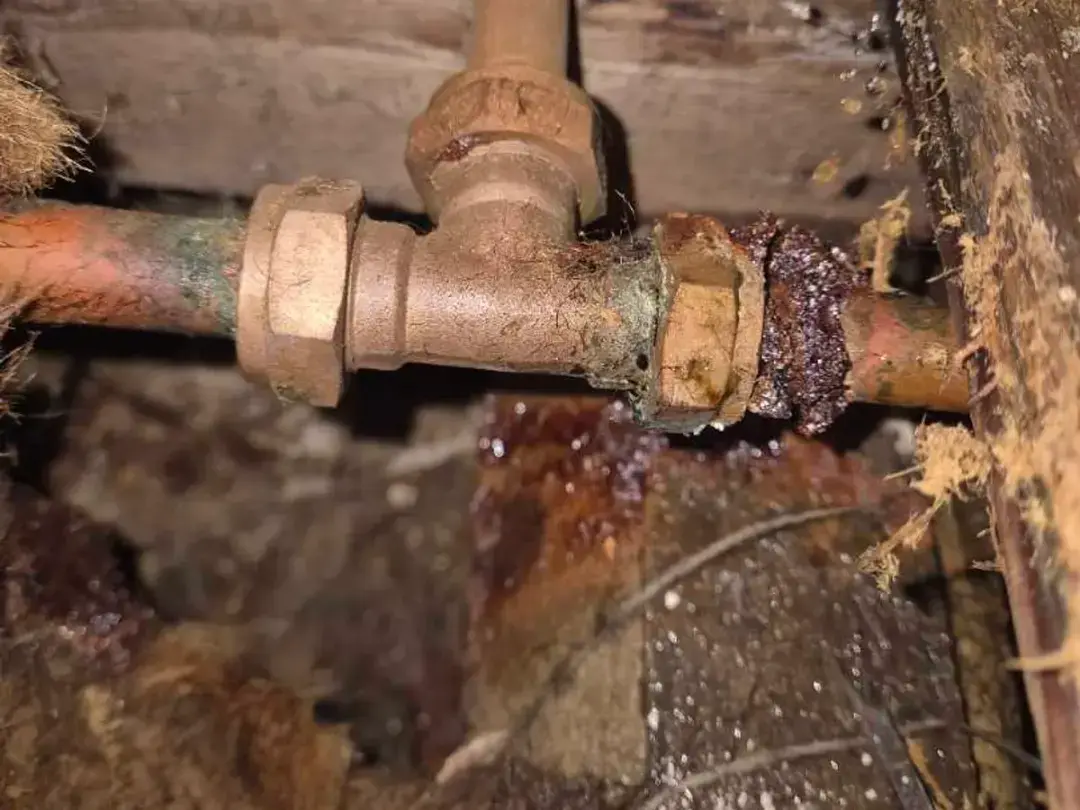
The tenant reported that the boiler pressure kept dropping and had been refilling it. No moisture or damage could be seen.
- What was found
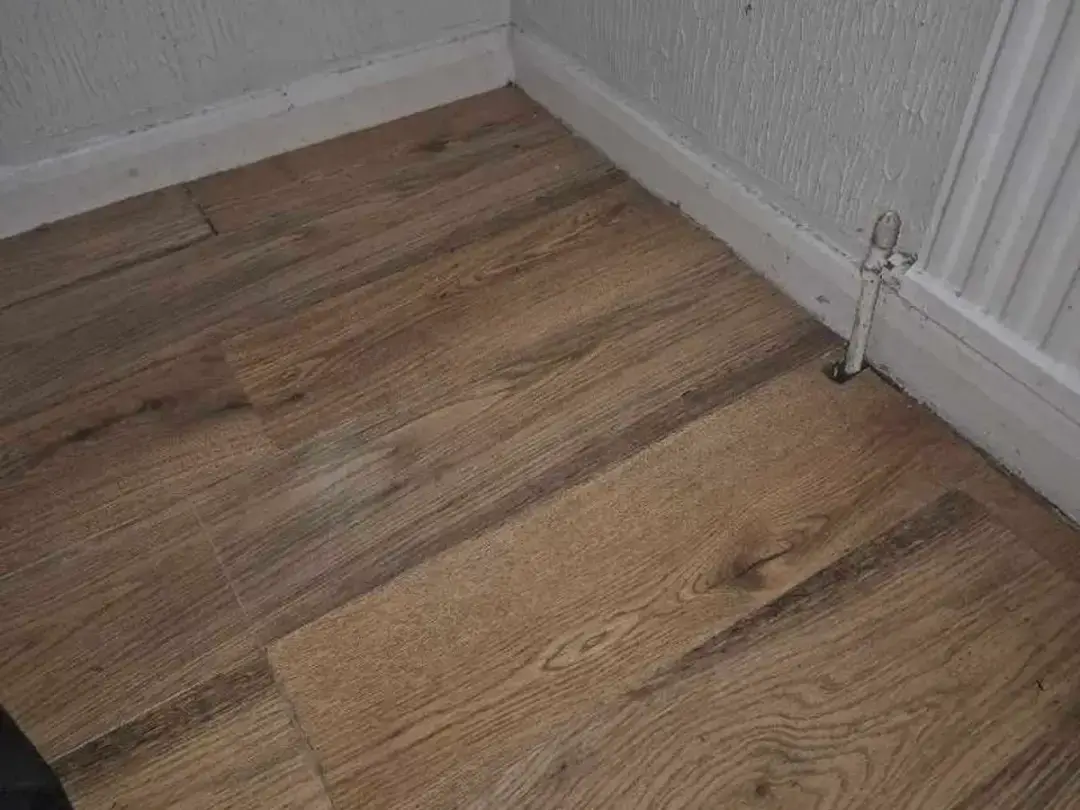
- A corroded heating pipe fitting below the floor of the dining room. Gas readings allowed the floor to be opened at one place, beside the radiator.
- What was opened
- The floor covering in the dining room, and the floor under it, at that one place.
- What was repaired
- A new fitting went in, followed by a pressure test and a second check for leaks.
- What was put back
- The floor covering was relaid. Heating and hot water were both working at the end of the visit.
- What the record does not show
- Who booked the visit or who paid for it.
From ADI's record of the job. It is one job, given as an example, and it does not show what will happen in yours.
Every source on this page was read on 6 October 2026.